# The New Cold War: How the US-China AI Race is Reshaping Global Power
## Introduction
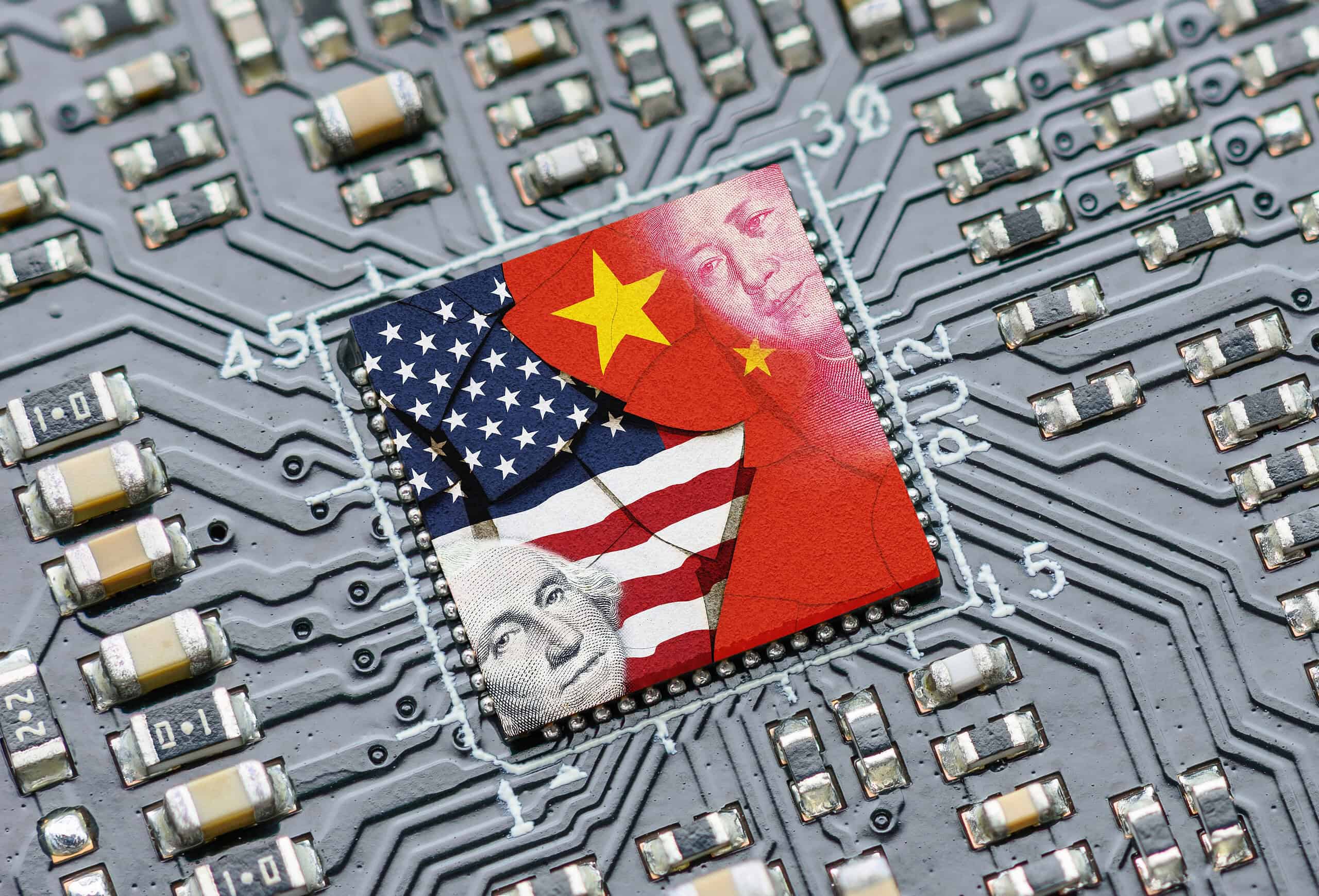
The global landscape is being fundamentally reshaped by an intensifying technological rivalry between the United States and China, with artificial intelligence (AI) at its epicenter. This competition is more than a race for technological supremacy; it is a defining geopolitical contest of the 21st century, influencing economic prosperity, military capabilities, and the international balance of power. As of 2026, both nations are pursuing distinct, and often conflicting, strategies to achieve leadership in AI, creating a new paradigm of global competition. This report analyzes the divergent approaches of the US and China, explores the profound economic and military implications, examines the complex position of the Global South, and projects future scenarios in this high-stakes race.
## Divergent Strategies: Proprietary Frontiers vs. Open-Source Diffusion
The US and China have adopted fundamentally different philosophies in their pursuit of AI dominance, leading to a bifurcated global technology landscape.
### The United States: Guarding the Proprietary Frontier
The American AI strategy is characterized by its focus on developing cutting-edge, often proprietary and closed-source, foundational models. Driven by a vibrant private sector and unparalleled access to capital markets, US firms aim to push the boundaries of artificial general intelligence (AGI) (Source 1). This approach leverages a significant lead in the foundational pillars of AI: advanced semiconductor design, model development, and sales. Public data indicates that top US AI chips, such as those from Nvidia, remain roughly five times more powerful than their Chinese counterparts (Source 1).
This technological advantage is protected and promoted through a dynamic policy of export controls. While policies have shifted, the overarching goal remains to restrict adversaries' access to cutting-edge technology. For instance, after the Trump administration rescinded the broad "AI Diffusion Rule" in May 2025, it implemented more targeted policies in early 2026. These included a "case-by-case review" for selling certain advanced chips like Nvidia's H200 series to vetted Chinese buyers, while simultaneously imposing tariffs on AI chip imports not destined for the US supply chain (Source 3). However, the US faces significant domestic hurdles, primarily bottlenecks in energy generation and grid infrastructure required to power the massive data centers essential for training frontier models (Source 1).
### China: The Open-Source Diffusion Engine
In contrast, China has prioritized the rapid, wide-scale diffusion and real-world application of AI technology. Its state-directed "AI Plus" initiative, approved in 2025, aims to deeply integrate AI across all sectors of the economy, including industry, healthcare, and governance, with the goal of creating a "fully AI-powered" society by 2035 (Source 1, 2).
A cornerstone of this strategy is the aggressive promotion of open-source (or "open-weight") AI models. Chinese tech giants like Alibaba, Tencent, and DeepSeek have released powerful models that are often cheaper and more accessible than their Western proprietary counterparts (Source 2). Alibaba's Qwen model family, for example, surpassed Meta's LLaMA to become the most downloaded open-weight model series globally on platforms like Hugging Face in 2025 (Source 1, 2). This open-source approach accelerates development, fosters a global ecosystem of developers building on Chinese platforms, and helps circumvent some of the hardware limitations imposed by US export controls (Source 2).
Despite this rapid progress in application and diffusion, China faces significant challenges. Restricted access to the most advanced AI chips and a thinner capital market compared to the US mean it still lags in developing the most powerful frontier models (Source 1). While domestic chips like Huawei's Ascend series are advancing, they have not yet matched the training performance of top-tier Nvidia GPUs (Source 1).
## Economic and Military Implications
The AI race has profound dual-use implications, simultaneously transforming the global economy and the nature of modern warfare.
### Economic Restructuring
AI is a general-purpose technology with the potential to drive economic productivity on a scale comparable to the industrial revolution. Nations that lead in AI adoption are expected to gain significant advantages in economic growth, healthcare outcomes, and overall national well-being (Source 4). The competition is therefore not just between states but also between corporate giants vying for market share, with success measured in revenue and innovation.
This economic contest has made control over the AI supply chain a critical strategic objective. The reliance on specialized hardware has turned the semiconductor industry into a geopolitical battleground, with the US using export controls to limit China's access to advanced chips. In response, both nations are heavily invested in securing their intellectual property (IP). The rise of techniques like "distillation," where proprietary models can be replicated, poses new challenges to existing IP law and fuels state-linked cyber espionage aimed at acquiring sensitive data and technological know-how (Source 4).
### The Automation of Conflict
Militaries worldwide are integrating AI to enhance surveillance, decision-making, and weapons systems. This has given rise to a security dilemma, where one nation's AI-driven military advancements compel rivals to accelerate their own programs, potentially leading to a dangerous cycle of competitive automation (Source 4).
A primary concern is the development of Lethal Autonomous Weapons Systems (LAWS), or "killer robots," which could identify and engage targets without direct human intervention. The pursuit of such technologies raises fears of an acceleration of warfare to speeds that exceed human comprehension and control, making conflict de-escalation incredibly difficult. The pressure to deploy systems quickly in a perceived "arms race" could also lead to a "race to the bottom" on safety and testing protocols, increasing the risk of accidents, unintended escalation, and catastrophic failures with brittle or unreliable AI systems (Source 4).
## The Global South's Dilemma
Caught between these two competing AI ecosystems, nations in the Global South are not passive recipients but active agents navigating a complex landscape of opportunity and risk.
AI presents a significant opportunity for developing nations to address critical challenges in agriculture, healthcare, and education (Source 5). Many are adopting a "mix and match" or hedging strategy, attempting to leverage the unique strengths of both superpowers. They may look to the US for its vibrant startup culture and frontier research, while turning to China for affordable, scalable AI solutions and digital infrastructure investments under its Digital Silk Road initiative (Source 5).
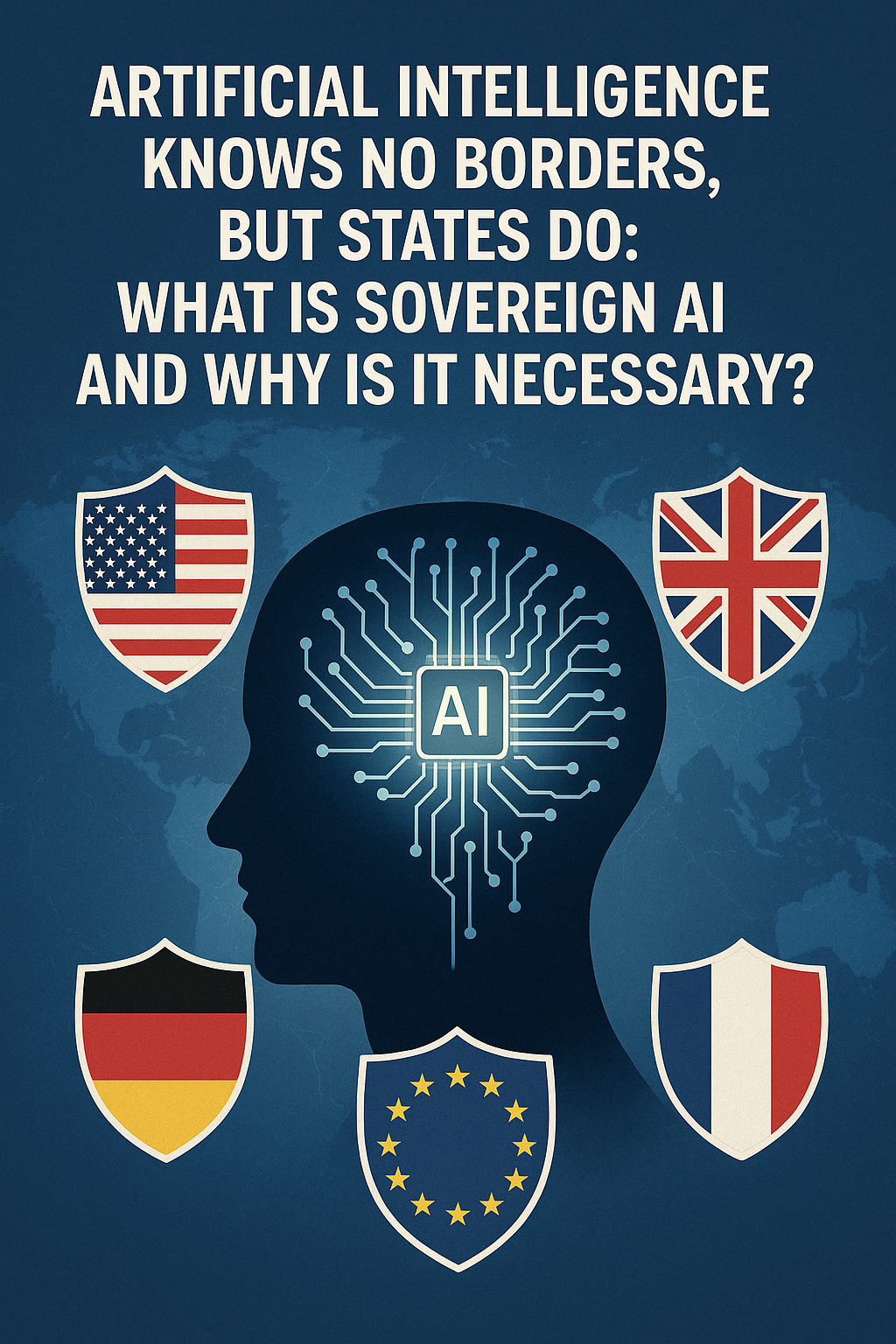
However, this engagement comes with significant risks. The demand for vast amounts of data to train AI models has led to "data colonialism" and exploitative labor practices, where workers in the Global South perform low-wage data labeling, sometimes involving psychologically harmful content (Source 5). Furthermore, China's export of AI-powered surveillance and censorship tools raises concerns about the spread of "digital authoritarianism." Dependence on either the US or Chinese tech stack carries long-term geopolitical consequences, potentially limiting a nation's policy autonomy and locking it into a specific technological and ideological sphere (Source 5). In response, many countries and regional blocs are developing their own sovereign AI strategies and governance frameworks to safeguard their interests (Source 5).
## Future Scenarios
By 2026, the AI competition is not trending toward a single winner but toward a technologically divided world. The US is likely to maintain its lead in expensive, high-end frontier models, while China solidifies its dominance in the rapidly expanding and globally adopted open-source ecosystem.
China's open-source strategy is proving highly effective. The "DeepSeek moment" of early 2025, when a Chinese firm released a frontier-level open model, injected massive confidence into its domestic industry (Source 2). By 2026, Chinese open models are increasingly being adopted by startups even in Silicon Valley due to their low cost and high performance, turning the global developer community into an extension of China's R&D pipeline (Source 2). This diffusion of powerful AI makes global governance and the restriction of AI capabilities increasingly difficult.
The US, meanwhile, continues to adapt its strategy to maintain its edge. The policy volatility seen in 2025-2026—from the sweeping AI Diffusion Rule to its rescission and replacement with more targeted chip licensing and tariffs—highlights an ongoing effort to balance national security imperatives with the economic interests of its powerful tech sector (Source 3). The future will likely involve continued US efforts to secure its supply chains, possibly through coalitions with allies, while China leverages its massive domestic market and state-backed infrastructure to integrate AI into the physical economy at an unmatched scale and speed (Source 1).
## Conclusion
The rivalry between the United States and China is charting the future of artificial intelligence and, with it, the global order. The two powers are locked in a new kind of cold war, fought not with traditional armaments but with algorithms, semiconductors, and data. Their divergent strategies—America's focus on proprietary, frontier innovation versus China's emphasis on open-source, mass-scale diffusion—are creating a complex and fragmented global technology landscape. This competition is forcing nations worldwide, particularly in the Global South, to make critical choices about their technological alignment and developmental future. The outcome of this race will not result in a single victor but will likely produce a multi-polar AI world, fundamentally reshaping economic dependencies, military power, and international influence for decades to come.