# America's AI Governance Blueprint: The White House Framework and the Future of Federal AI Regulation
**March 27, 2026** – In a landmark move aimed at shaping the trajectory of artificial intelligence in the United States, the White House this month unveiled its "National Policy Framework for Artificial Intelligence." Released under the Trump Administration, this comprehensive set of legislative recommendations to Congress follows a December 2025 executive order and represents the administration's most definitive statement on AI governance to date. The framework seeks to replace the burgeoning patchwork of state-level regulations with a unified, "minimally burdensome" national standard. By prioritizing American innovation, child safety, and free speech, the blueprint sets the stage for a critical debate in Congress over the future of federal AI regulation, pitting the drive for global competitiveness against calls for more stringent accountability.
## The Framework Unveiled
The administration's proposal is built upon seven core pillars, each designed to guide Congress in crafting comprehensive AI legislation. The overarching goal is to foster an environment that ensures American dominance in AI while mitigating potential harms.
The seven key objectives are: 1. **Protecting Children and Empowering Parents:** Placing a strong emphasis on safeguarding minors online. 2. **Safeguarding and Strengthening American Communities:** Addressing AI's impact on infrastructure, energy, and fraud prevention. 3. **Respecting Intellectual Property Rights and Supporting Creators:** Navigating the complex intersection of AI and copyright. 4. **Preventing Censorship and Protecting Free Speech:** Ensuring First Amendment rights are upheld on AI platforms. 5. **Enabling Innovation and Ensuring American AI Dominance:** Promoting a pro-growth regulatory environment. 6. **Educating Americans and Developing an AI-Ready Workforce:** Focusing on AI literacy and reskilling initiatives. 7. **Establishing a Federal Policy Framework and Preempting Cumbersome State AI Laws:** Creating a single, consistent national standard for AI governance.
Notably, the framework explicitly advises against the creation of a new, overarching federal AI regulatory agency. Instead, it advocates for leveraging the authority of existing sector-specific regulators and promoting industry-led standards. To further spur innovation, it recommends the establishment of "regulatory sandboxes," which would allow companies to test and deploy new AI systems with reduced regulatory burdens.
## Federal Preemption vs. State Innovation
A central and contentious tenet of the White House framework is the call for federal preemption of most state-level AI laws. The administration argues that a "patchwork of 50 different state AI laws" creates undue compliance burdens, hinders interstate commerce, and ultimately slows down U.S. innovation, ceding ground to global competitors like China. The stated goal is to establish a single national standard that promotes predictability for developers and ensures the U.S. remains the global leader in AI development. The framework asserts that states should not be permitted to regulate the development of AI models, which it defines as an "inherently interstate phenomenon with key foreign policy and national security implications."
However, this push for federal control is not absolute. The blueprint carves out several significant exceptions, allowing states to retain authority in specific domains: * **Child and Consumer Protection:** States would remain free to enforce their own general-purpose consumer protection laws, child protection statutes, and fraud prohibitions. * **AI Infrastructure:** States would maintain authority over zoning rules and decisions regarding the placement of AI infrastructure, such as large data centers. * **State Government AI Use:** States would continue to regulate their own government's use of AI in areas like public procurement, law enforcement, and education.
This nuanced approach attempts to balance the need for a uniform national market with the traditional role of states in protecting their citizens and managing local affairs.
## Key Policy Areas: Child Safety, IP, and Free Speech
The framework dedicates significant attention to three politically charged policy areas, outlining specific legislative recommendations for each.
**Child Safety:** This is a prominent feature of the proposal. The administration calls on Congress to affirm that existing child privacy protections, such as those in the Children's Online Privacy Protection Act (COPPA), apply to AI systems. It advocates for "robust tools" to allow parents to manage their children's content exposure and privacy settings. The framework also proposes "commercially reasonable, privacy protective, age assurance requirements" for platforms likely to be accessed by minors. While intended to protect children, these age verification proposals have raised alarms among some free speech experts who worry about the potential impact on adult privacy and anonymous expression.
**Intellectual Property:** The framework takes a notably restrained stance on the contentious issue of training AI models on copyrighted material. While stating the administration's view that such training does not violate copyright, it explicitly advises Congress to allow the courts to resolve the "fair use" debate without legislative interference. Instead of direct mandates, the proposal encourages Congress to consider enabling voluntary "collective licensing frameworks." These would allow rights holders to negotiate compensation from AI companies without triggering antitrust liability. The framework also calls for a new federal law to protect individuals from the unauthorized commercial use of AI-generated replicas of their voice or likeness, with clear exceptions for parody, news reporting, and other First Amendment-protected speech.
**Free Speech:** Reflecting a key concern of the administration, the framework includes strong language aimed at preventing government-led censorship. It recommends that Congress prohibit the federal government from "coercing technology providers, including AI providers, to ban, compel, or alter content based on partisan or ideological agendas." It further calls for an effective means for citizens to seek redress from the government for any attempts to censor expression on AI platforms.
## Industry Response and Innovation Concerns
The reaction from the technology industry and other stakeholders has been mixed, largely split along ideological lines. Many industry leaders and pro-business groups have praised the framework's emphasis on a "light-touch" regulatory environment and its strong support for federal preemption. Collin McCune of the venture capital firm Andreessen Horowitz lauded the proposal as a "big step" toward providing clear rules for innovators. Similarly, NetChoice, a tech trade group, stated that the framework recognizes the need for a light-touch approach to "win the future."
However, the proposal has drawn sharp criticism from consumer advocates and many Democratic lawmakers. Brad Carson, president of Americans for Responsible Innovation, described the framework as "empty of nutrition" and argued it offers "tech companies another chance to launch harmful products with no accountability." This sentiment is echoed by some in Congress who fear that preempting stronger state laws without establishing a sufficiently robust federal alternative would create a regulatory vacuum, leaving consumers and workers unprotected.
## Global Context: US vs. EU Approaches
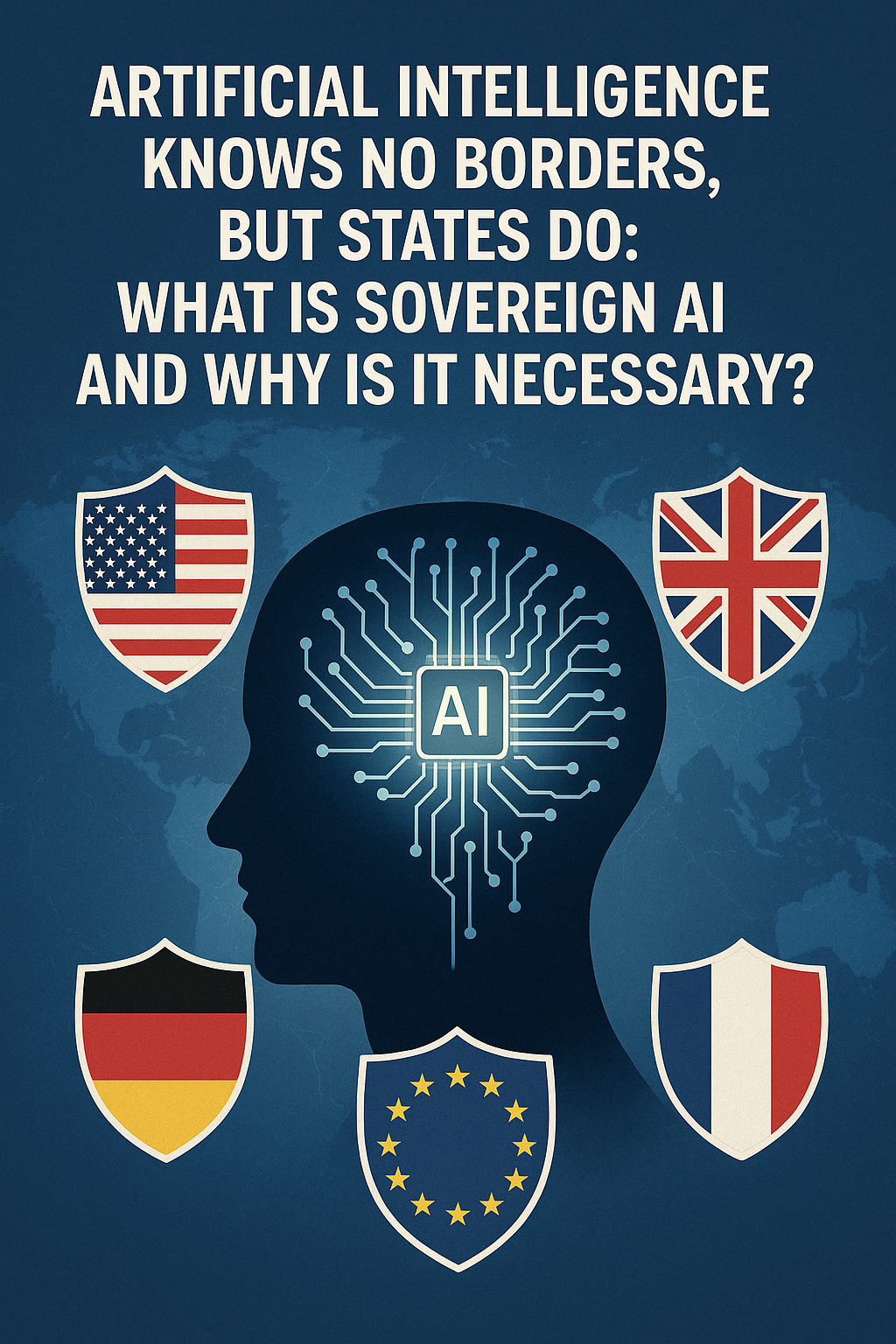
The White House's proposal stands in stark contrast to the regulatory path taken by the European Union. The EU's AI Act, which is being phased in and will be largely applicable by August 2026, establishes a comprehensive, legally binding framework with a global reach. It employs a risk-based system, categorizing AI applications into unacceptable, high, limited, and minimal risk tiers. High-risk systems (e.g., in healthcare, employment, and law enforcement) are subject to stringent requirements for data governance, risk management, human oversight, and transparency. Non-compliance carries massive fines of up to 7% of a company's global annual turnover.
The U.S. approach, as outlined in the new framework, is fundamentally different. It is non-binding, relies on existing regulators, promotes voluntary standards, and prioritizes innovation and market leadership over prescriptive, top-down regulation. While both the U.S. and EU share common goals like mitigating bias and ensuring transparency, their methods diverge significantly. The EU has created a comprehensive legal shield, while the U.S. is attempting to forge a pro-innovation sword. For global companies, this divergence creates a complex compliance landscape, often leading them to adopt the stricter EU standard as a de facto global baseline.
## Future Outlook: Implementation Challenges
With the framework now public, the focus shifts to Capitol Hill, where its recommendations face an uncertain future. The proposal has been welcomed by key Republican leaders, including Senate Commerce Committee Chair Ted Cruz (R-TX), who see it as a blueprint for maintaining America's competitive edge. Legislative proposals aligned with the framework, such as the *TRUMP AMERICA AI Act* and the *SANDBOX Act*, have already been introduced.
However, the central pillar of federal preemption faces significant opposition from Democrats, who are wary of overriding state-level protections without what they consider a "comprehensive and protective national standard" in its place. The path to passing any comprehensive AI bill is fraught with political challenges, and with the November midterm elections approaching, the window for legislative action this year is narrow. The ensuing debate will be a critical test of whether Congress can forge a bipartisan consensus on how to govern one of the most transformative technologies of our time.
## Summary
The White House's National Policy Framework for Artificial Intelligence is a bold declaration of the administration's vision for a pro-innovation, nationally unified approach to AI governance. By championing federal preemption, a light-touch regulatory environment, and specific protections for child safety and free speech, the blueprint charts a distinct course from the more prescriptive model adopted by the European Union. While lauded by many in the tech industry as a necessary step to ensure American leadership, the framework has been criticized by others for potentially sacrificing accountability. Its fate now rests with a divided Congress, where the fundamental tensions between innovation and regulation, and federal and state authority, will determine the future of America's AI rulebook.